


Aged Care
Build Your Support Circle When You Are Caring at Home
November 24, 2025
Read more
A simple guide to the main types of patient transfer equipment used in home care.
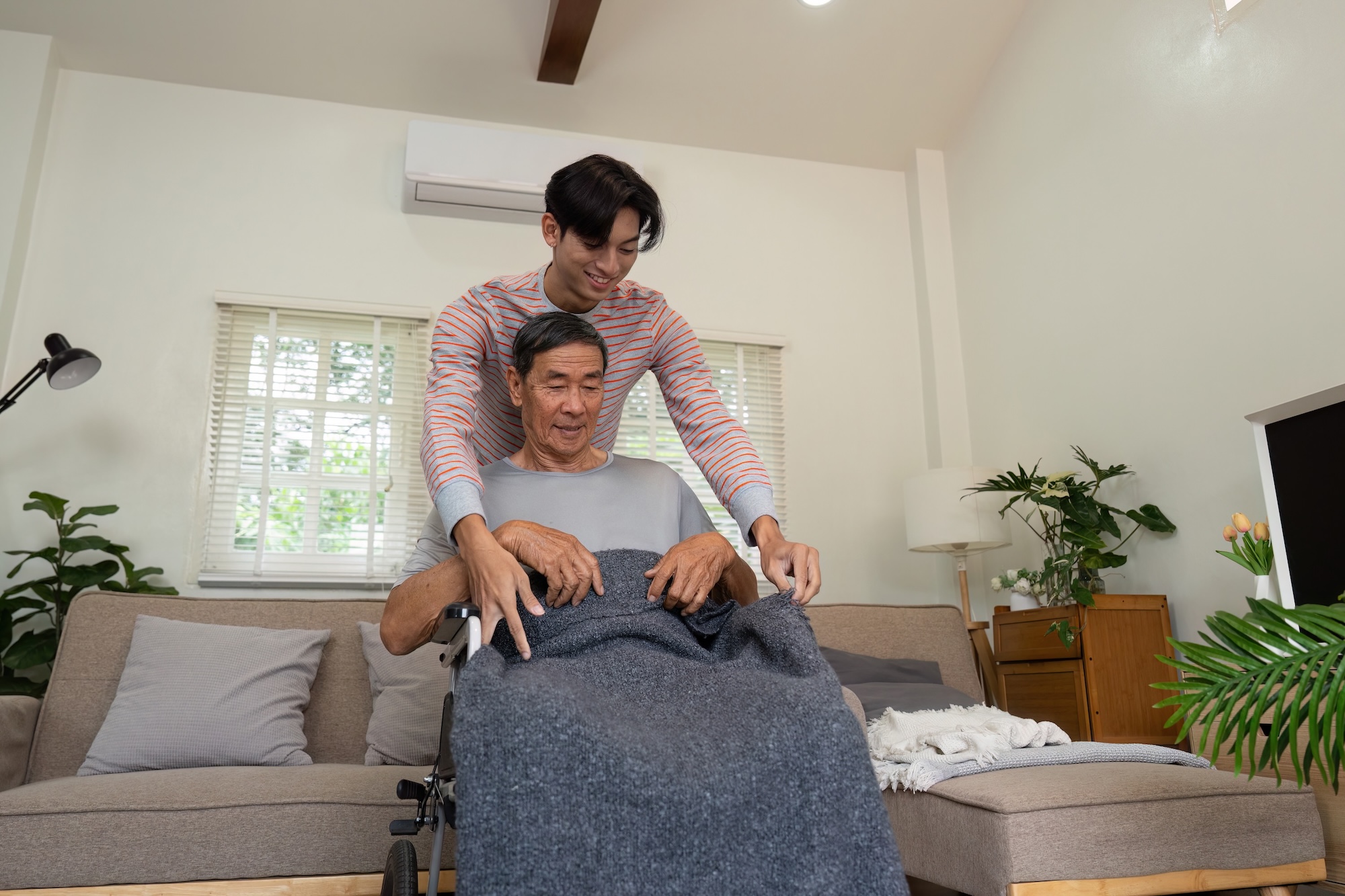
Patient transfer equipment helps people move safely between positions and surfaces without the physical strain of lifting. These aids support sliding, pivoting, stabilising and assisted standing — and they play a crucial role in reducing injury risk for carers while maintaining dignity and comfort for the person being supported.
Below are the nine main types of transfer equipment used across Australian home-care, aged care and disability settings.
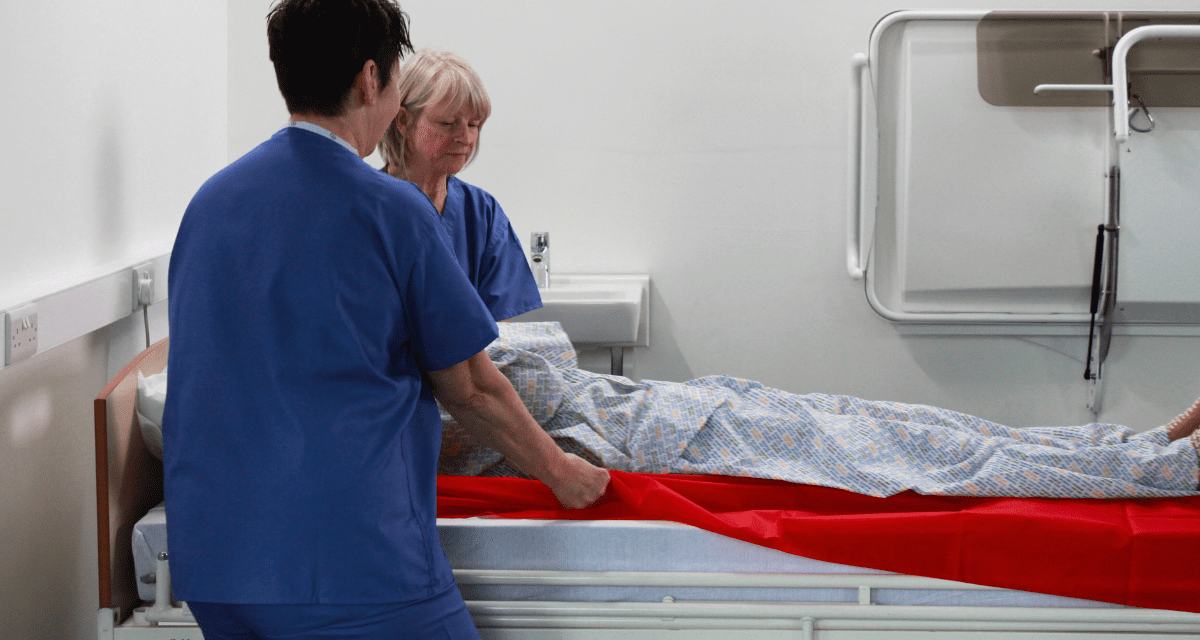
Slide sheets use low-friction materials to reduce the effort required to move someone in bed. Instead of lifting, carers can reposition, roll or laterally slide the person using body weight rather than force.
Best for:
Benefits:
They significantly reduce back and shoulder strain for carers and provide smoother, more controlled movements. Always perform transfers slowly, as slide sheets can be slippery.
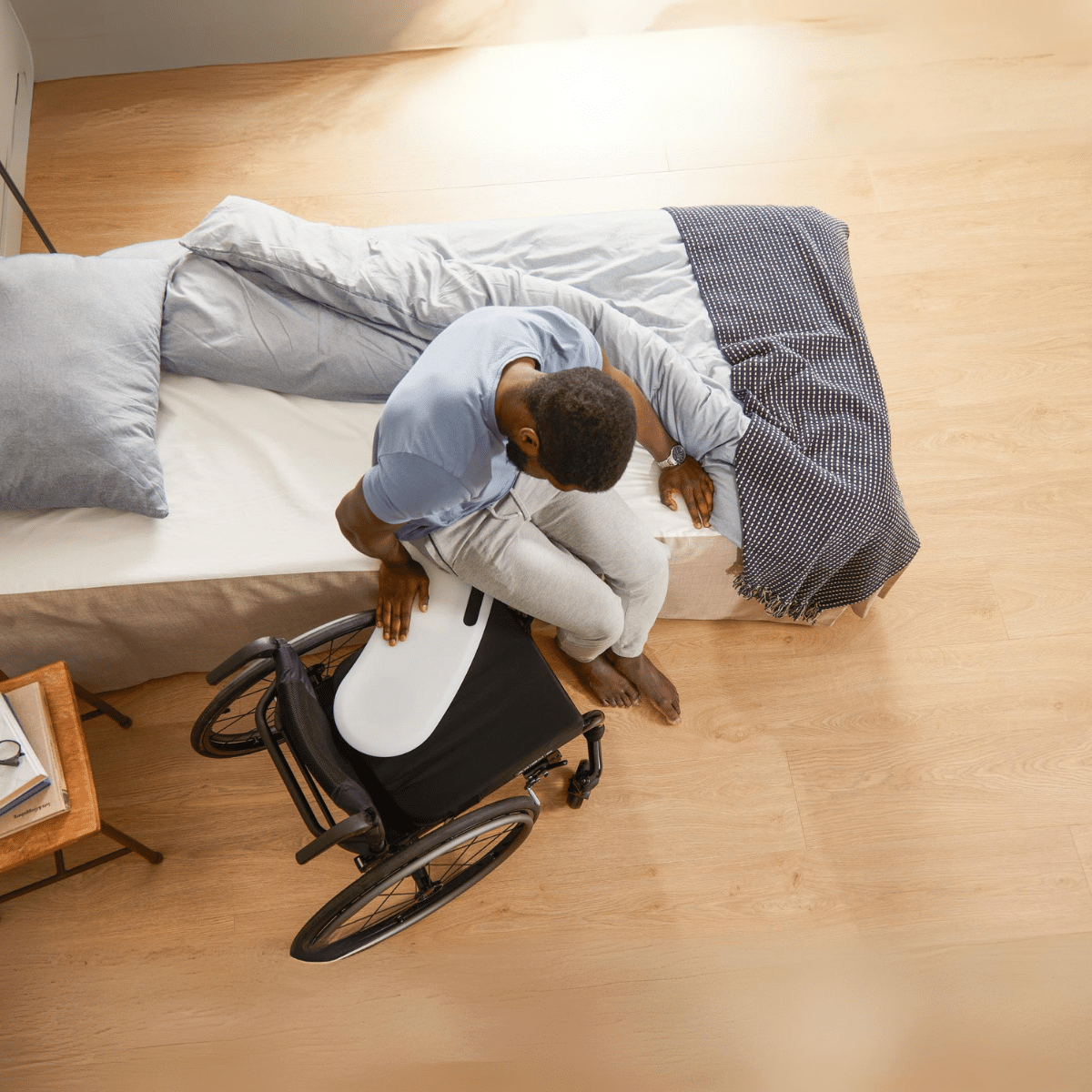
Also known as slide boards, these create a stable bridge between two surfaces so the person can slide across rather than be lifted.
Best for:
Considerations:
Curved boards help navigate around wheelchair wheels; straight boards suit direct transfers. Ensure the board’s weight limit is appropriate and keep skin covered to prevent friction burns.
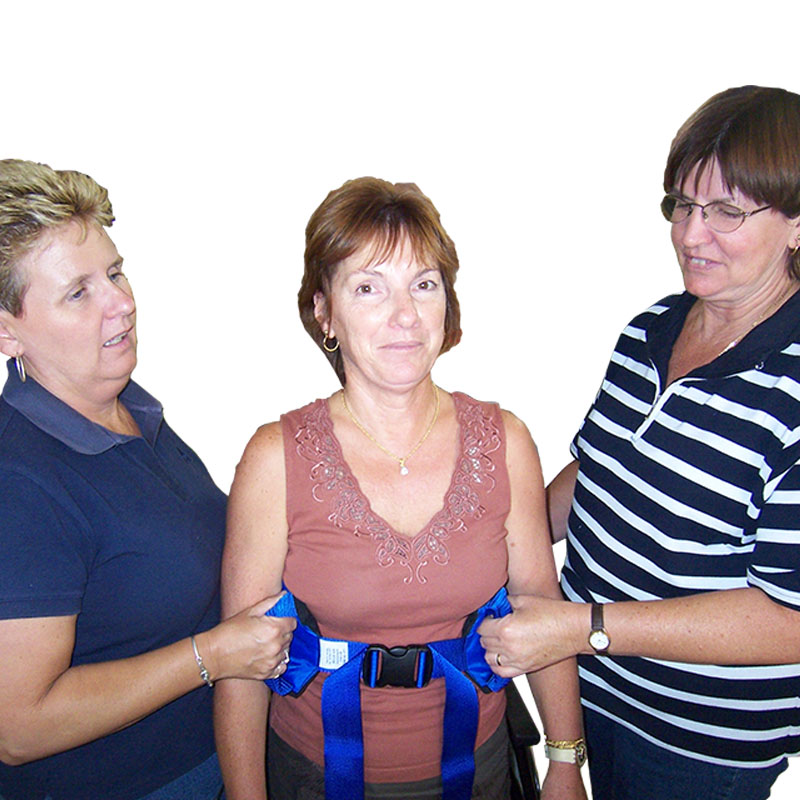
Transfer belts (gait belts) wrap around the person’s waist and provide secure grip points for carers during short transfers or assisted standing.
Best for:
Benefits:
They reduce fall risk and prevent carers from grabbing clothing or underarms. Padded, non-slip belts provide added stability and comfort.
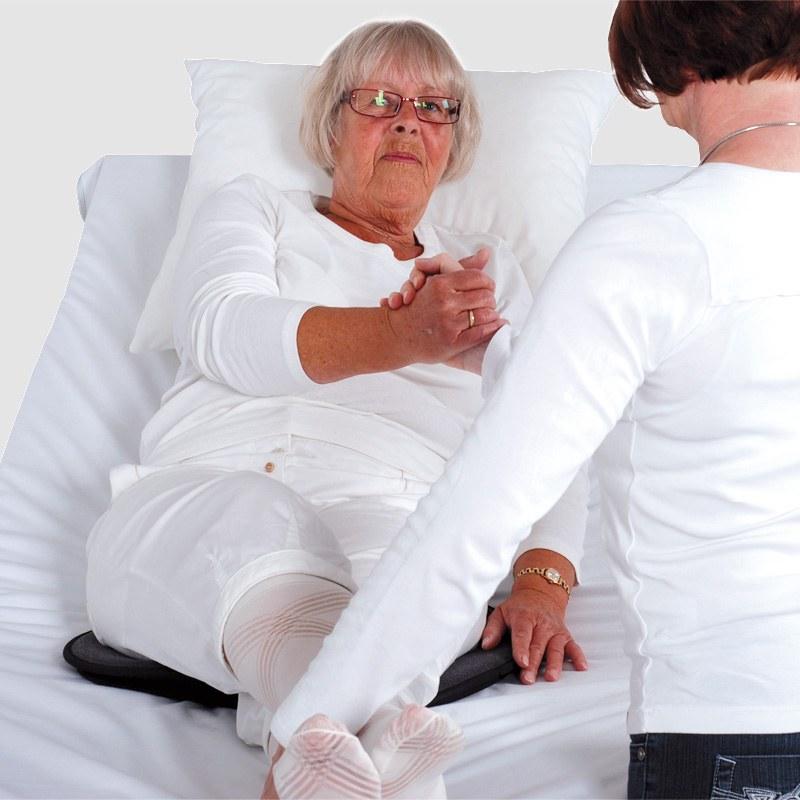
Swivel or rotating cushions help the person pivot smoothly without twisting their back or hips.
Best for:
Benefits:
They improve access angles and reduce awkward twisting. Look for non-slip bases and remove slippery cushions before driving.
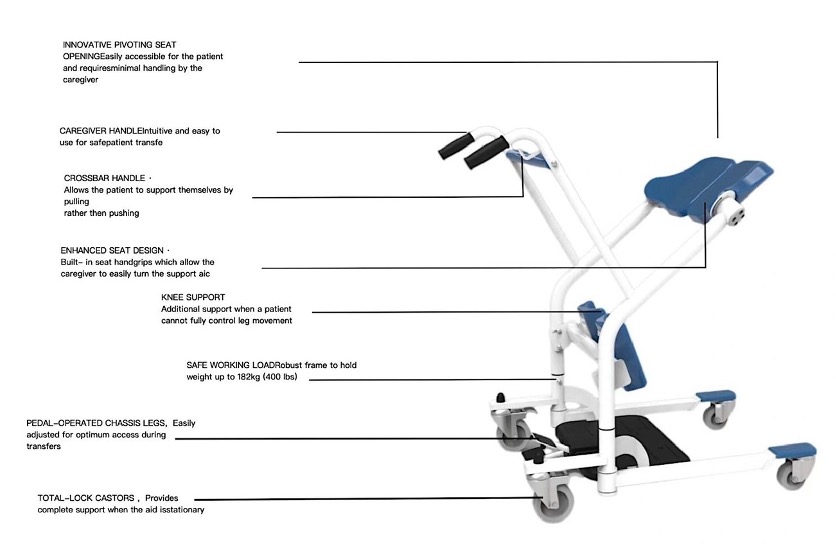
Sit-to-stand devices assist people who can partially weight-bear but need structured support to rise safely.
Types:
Best for:
• Toileting, chair transfers, daily routines
• People who can follow instructions and engage their legs
Not suitable for:
People with significant knee pain, poor trunk control or zero weight-bearing ability.
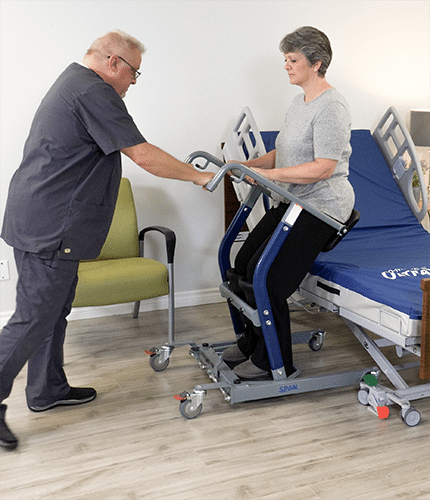
These standing frames use supportive handles and sometimes knee pads to help the person pull themselves upright, with the carer providing supervision and guidance.
Best for:
Benefits:
They promote active movement, help maintain muscle strength and can pivot towards chairs or commodes once standing.

Pivot discs allow a person to stand and rotate safely from one surface to another with support from a carer.
Best for:
Benefits:
They reduce twisting forces on the hips and knees and provide a stable base for supported rotation.
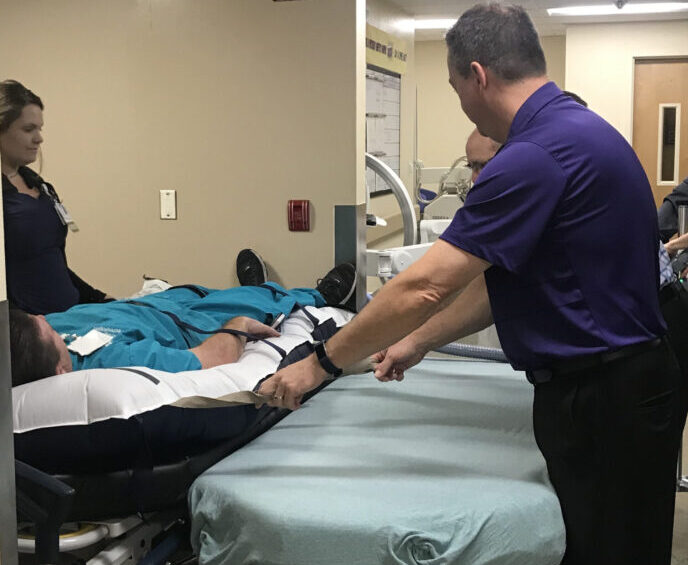
Lateral transfer aids include sliding mats, roll boards and low-friction transfer platforms. They help move a person horizontally from one surface to another.
Best for:
Benefits:
They distribute pressure more evenly and reduce peak forces on the carer’s spine.
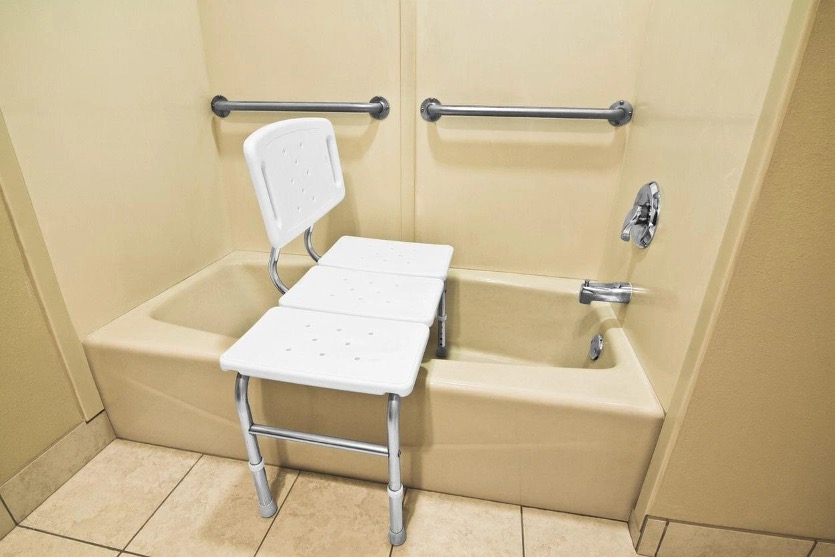
Transfer benches bridge the bathtub edge, allowing the person to sit outside the tub and slide across safely.
Best for:
Options:
Standard benches, sliding benches and bariatric models.
Setup tip:
Adjust the inner legs shorter to compensate for tub depth and always test stability before use.
Selecting suitable transfer aids depends on:
When someone needs full lifting support, our Expert Guide to Patient Lifting Equipment walks you through the different hoists, tracks and slings and how they’re used.