Guide
Ageing in Place: A Practical Guide for Caring for Your Partner at Home
Read more
Discover how Behn’s integrated assistive technology supports higher-care needs at home — helping with daily activities, transfers, and safe movement in and out of bed.

Assistive technology plays a key role in helping people live safely and comfortably at home. Whether someone is ageing, living with disability, recovering from illness or managing a long-term health condition, the right equipment can make daily activities easier, reduce injury risk and support independent living.
In Australia, most people prefer to stay in familiar surroundings rather than move into residential care. Assisstive such as grab rails, shower chairs, lift recliners, smart lighting, medication reminders and adjustable beds can help people complete everyday tasks with more confidence. For those with higher support needs, advanced systems like Behn can assist with transfers and reduce physical strain on carers.
This guide explains how to understand a person’s needs, the types of assistive technology commonly recommended, and how families can set up a safe and supportive living environment.
.avif)
The best way to begin choosing equipment is to understand how a person currently moves through their day. This includes people living with disability, older adults, people with neurological conditions, and those recovering from illness or surgery. Notice how they rise from a chair, move around the home, prepare meals, reach commonly used items, use the bathroom and get in and out of bed. Small signs such as holding onto furniture, hesitating before moving or struggling to stand can signal a need for support.
This approach aligns with the Aged Care Quality Standards - The Individual, which emphasise independence, dignity and choice. It helps ensure that assistive technology enhances a person’s life rather than being imposed or overwhelming.
Talking about changing needs can be sensitive. People often worry about losing independence or becoming a burden. Gentle conversations help reveal what matters most and what the person wants to continue doing with confidence.
It can be helpful to ask about:
Once you understand challenges and preferences, you can turn these into goals. Clear goals help guide decisions and support clinical assessments and funding documents.
Examples include:
These goals guide equipment choices and ensure that recommendations support the person’s needs and lifestyle.
“It helps me keep my independence. I can do my day-to-day things with less effort, and that makes a big difference.”
~ Carer/user feedback in home assistive technology trial. Source: Thorpe et al., Use of Assistive Technology in Dementia Care, International Journal of Older People Nursing

An occupational therapist plays a central role in helping families choose the correct equipment. OTs assess mobility, strength, balance, endurance, cognition, communication and sensory needs. They also examine how these factors interact with the home environment. Physiotherapists and home care professionals may contribute as well.
A professional assessment ensures equipment is:
During an assessment, the clinician may observe:
This information forms the foundation of a personalised equipment plan.
A personalised assistive technology plan may include:
The clinician will prepare supporting documentation for Home Care Packages, NDIS AT levels or state-based programs such as MASS Queensland, SWEP Victoria or EnableNSW.
During an assessment, a clinician may identify that some movements require more structured support to ensure safety and comfort. This often relates to guided tasks such as getting in and out of bed or moving between key areas of the home. In these situations, the occupational therapist may recommend advanced or complex assistive technology that provides consistent powered support and reduces the physical effort required from both the person and the carer.
Advanced options can include powered lifters, ceiling mounted systems or integrated transfer solutions. Systems like Behn are designed to support these more complex routines by helping a carer guide someone through essential daily movements in a controlled and comfortable way. This type of assistive technology can reduce manual handling risks and support safer everyday care at home.
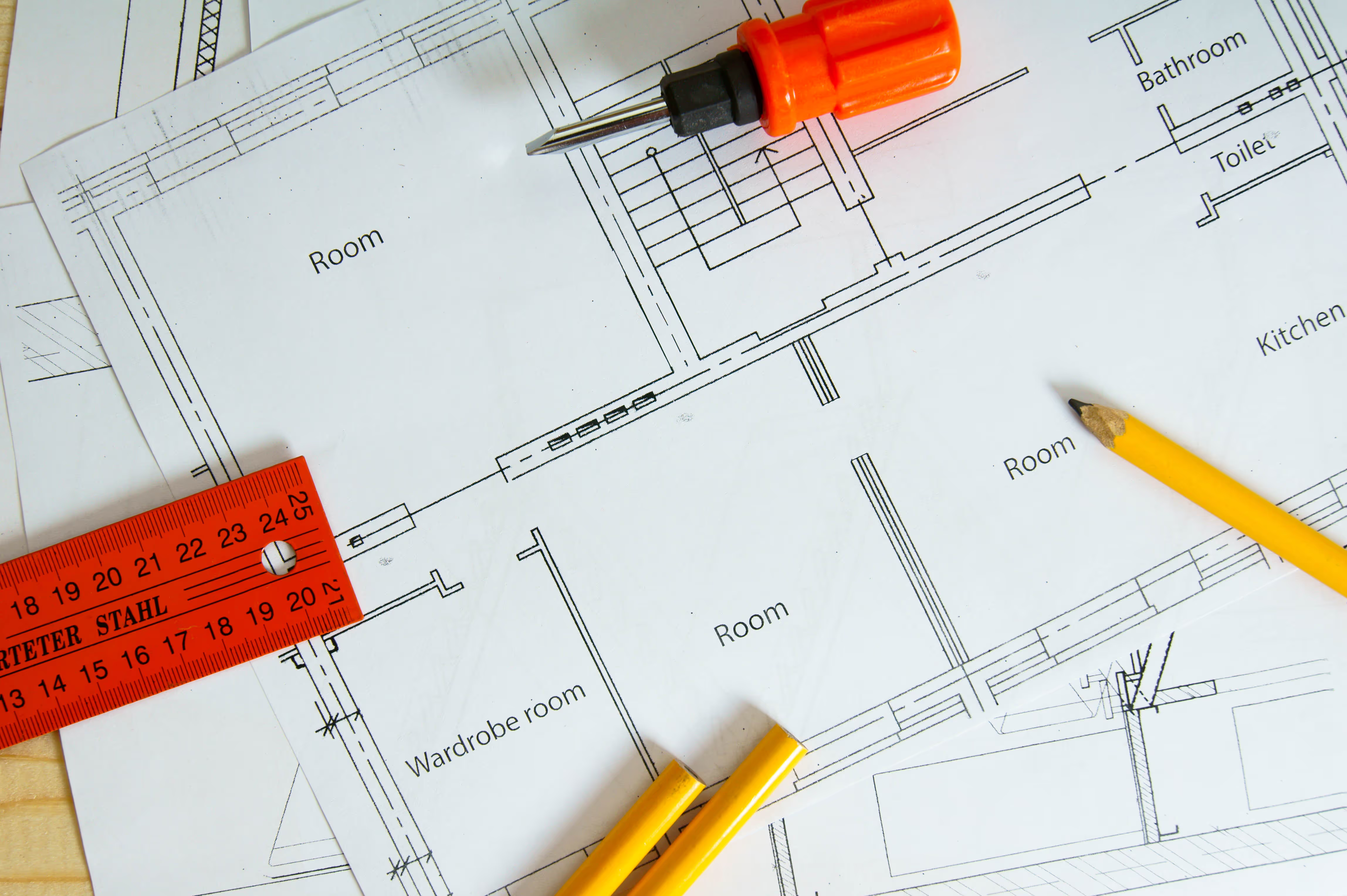
A room-by-room approach helps families understand how different types of equipment support daily activities. This method is widely used by OTs.
Helpful assistive technology includes:
The kitchen can be adapted with simple tools that promote safety and independence.
Useful aids include:
Bathrooms carry some of the highest risks at home. Supportive equipment improves safety and confidence.
Common bathroom assistive technology includes:
When transfers require significant strength or two people, clinicians may explore powered solutions.
The bedroom is key to rest and daily routines.
Helpful equipment includes:
For people who need significant help getting in and out of bed, integrated systems like Behn can support stable and consistent transfers.
Small accessibility changes make a large difference.
Supportive AT includes:
These upgrades align with Livable Housing Australia guidelines.
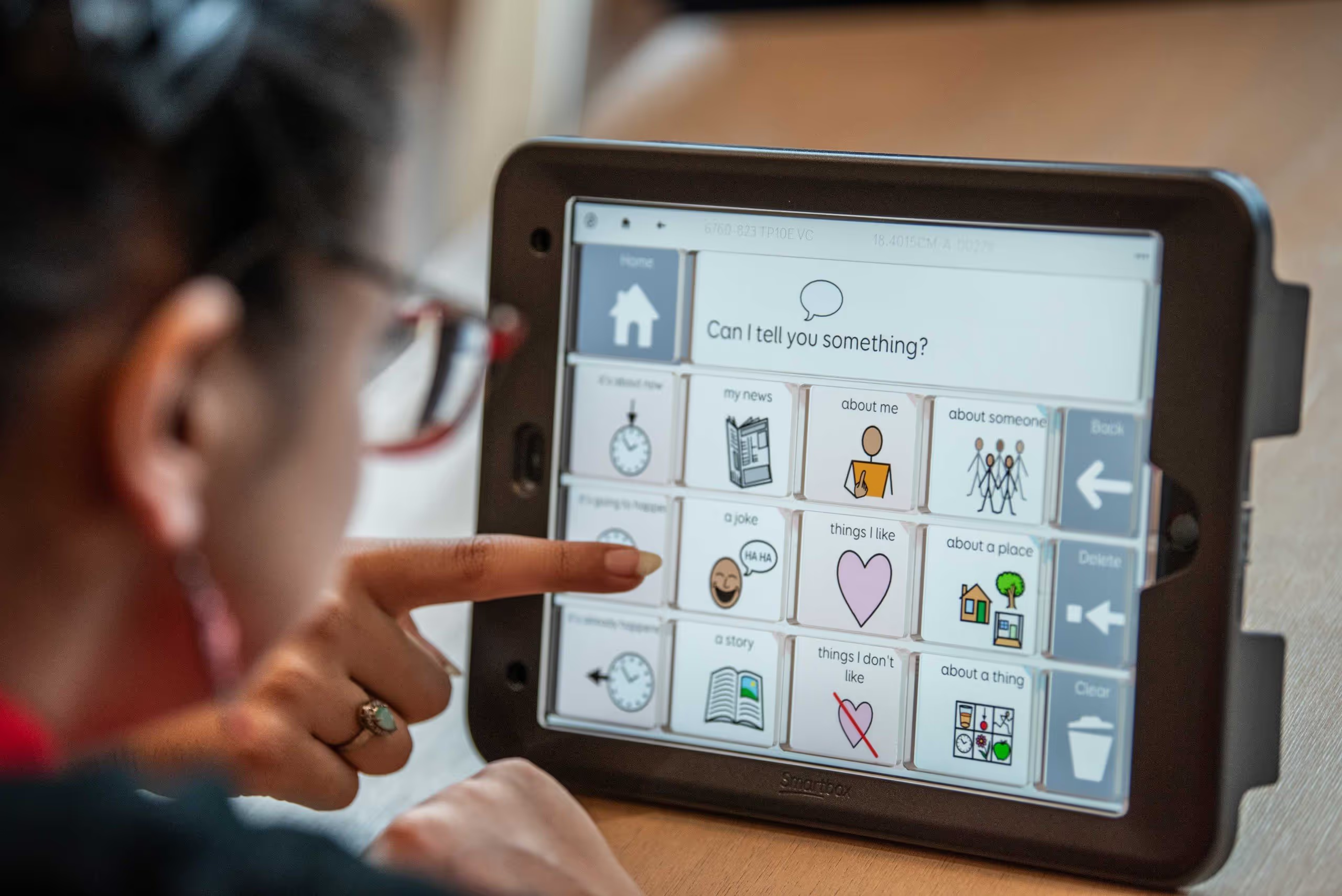
Communication support is an important part of assistive technology in the home. These tools help people stay connected, express their needs and participate in everyday decisions. They are often recommended for older adults, people living with disability and people who have changes in speech, cognition, hearing or vision.
These are some of the most practical and widely used communication supports in Australian homes:
These tools help maintain everyday communication and reduce frustration for both the person and their carers.
Some people need extra support with communication because of conditions such as stroke, motor neuron disease, cerebral palsy, acquired brain injury, Parkinson’s disease or advanced dementia. In these situations, Augmentative and Alternative Communication can play an important role.
Augmentative and Alternative Communication refers to tools that support or replace spoken communication. These tools can help someone express their needs, feelings, choices and instructions during daily life at home.
Examples include:
These supports help people stay involved in daily routines and make it easier for carers to understand what the person wants or needs.
People with vision or hearing changes may benefit from tools that enhance clarity and awareness at home, including:
These tools help people navigate their home safely and communicate with more confidence.

Assistive technology works best when it is checked regularly. A person’s mobility, comfort and daily routines can shift over time, and equipment that once felt right may need adjustment or replacement. Regular reviews help keep the home safe and ensure support remains aligned with the person’s abilities.
A reassessment may be helpful if you notice:
An occupational therapist can update the assistive technology plan and recommend any modifications.
Sometimes a small modification is enough, such as adjusting heights or replacing worn parts. In other cases, new or more supportive equipment may be recommended. If a person’s mobility needs increase, a clinician may explore powered or integrated systems that offer more consistent support. Behn’s team can assist with quotes and functional information when higher-support options are needed.
Regular reviews ensure that assistive technology continues to evolve with the person’s needs, helping them stay safe, comfortable and confident at home.

Assistive technology helps people remain at home with comfort and dignity. Small adaptations can make everyday life easier, while advanced systems support people with higher mobility needs. The overall goal is to create a home that feels safe, supportive and aligned with each person’s values and routines.
Some people need only simple aids. Others need a combination of mobility equipment, cognitive tools, sensory supports or smart-home devices. For those who need powered assistance with transfers, an integrated system such as Behn can support safe routines and reduce physical strain for carers.
A thoughtful assistive technology setup can provide a sense of confidence, comfort and independence for the person receiving care and peace of mind for those supporting them.
Our guides offer clear, detailed explanations of key home-care decisions, combining expert insights with practical steps to help families plan safely and adapt as needs evolve.
Explore your options with a quote or a guide. Our team is here to help you understand what care at home could look like.